

When To Start Orthodontic Treatment: What Age Is Best For Braces?
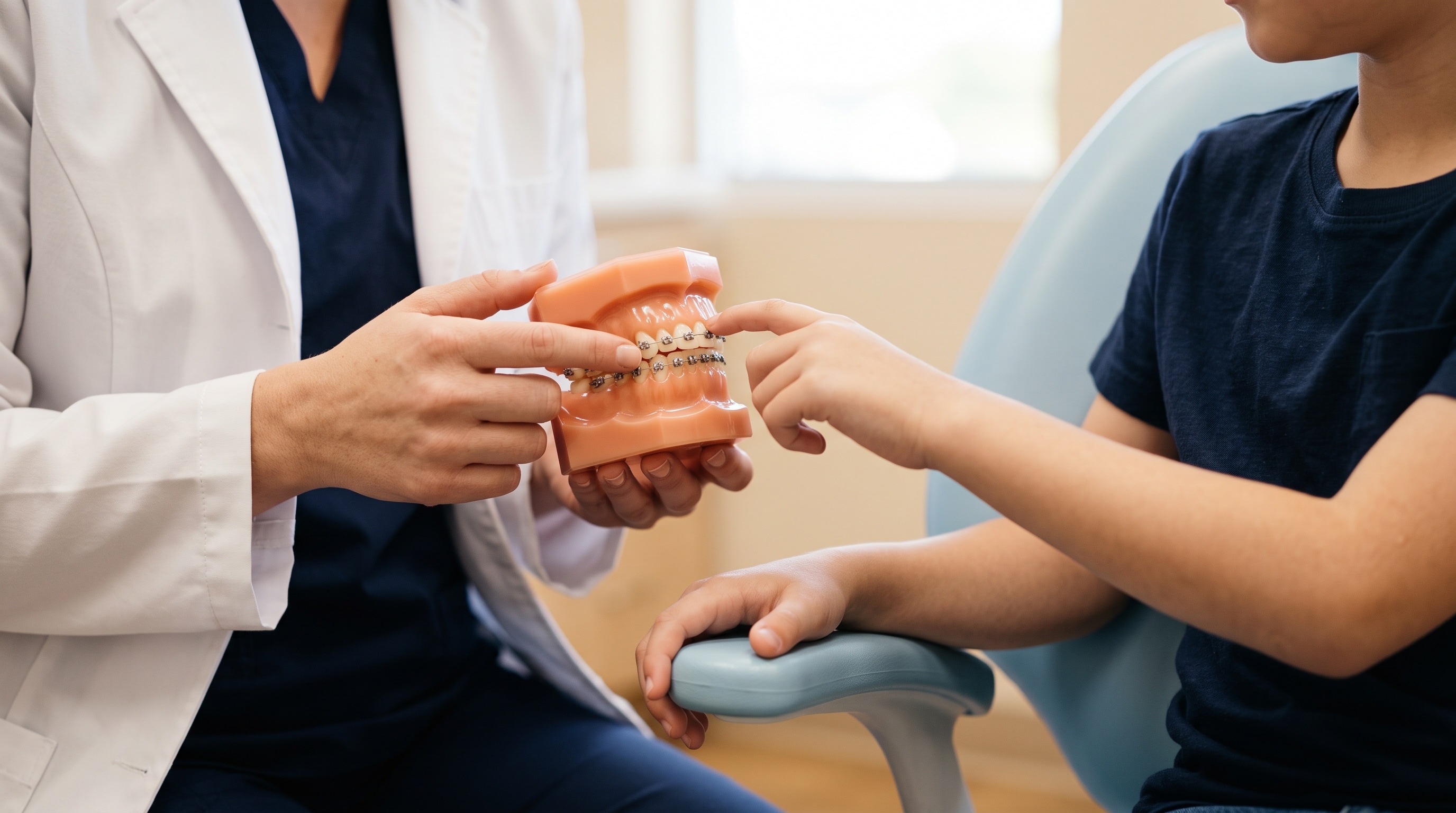
Reviewed by Dr. Rita Peck, DMD.
Parents in Gilbert usually ask this in a very practical way: “What age should my child start braces?” Adults often ask the same question with a little more worry behind it: “Did I miss my chance to straighten my teeth?”
There usually is not one magic birthday. Timing depends on how the teeth are coming in, how the upper and lower jaws fit together, whether there is crowding or spacing, and whether the patient is still growing.
At Gilbert Vista Dental, Dr. Rita Peck checks bite and tooth development during regular dental exams for children, teens, and adults. She also offers clear aligner treatment such as Invisalign when it is a good fit. If a child needs early orthodontic treatment, traditional braces, an expander, or a more complex jaw or bite evaluation, Dr. Peck can explain what she sees and refer the family to an orthodontist when specialist care makes sense.
So, What Age Is Best For Braces?
There is no perfect age for everyone, but these ranges are a helpful way to think about timing:
- Age 7: first orthodontic checkup, especially if there are signs of crowding, bite problems, early or late baby tooth loss, or jaw growth concerns.
- Ages 8 to 10: an orthodontist may recommend early treatment for certain bite or growth issues, but many children are simply monitored.
- Ages 11 to 14: a common time for full braces because many permanent teeth have erupted and the jaw is still growing.
- Ages 15 to 18: still a good window for braces or clear aligners, depending on the bite and the patient’s goals.
- Adults: orthodontic treatment or clear aligners may still be possible if the teeth, gums, and supporting bone are healthy enough.
The American Association of Orthodontists recommends that every child have an orthodontic checkup with an orthodontist no later than age 7. That does not mean every 7-year-old needs braces. It means an orthodontist can spot some developing problems while the mouth is still growing.
Not sure if now is the right time? Schedule an exam to find out if clear aligners are right for you, or whether a referral makes sense.
Why Age 7 Matters
Age 7 is usually not the age when a child gets full braces. It is more of a checkpoint: enough adult teeth may be visible for a dentist or orthodontist to spot patterns that are worth watching.
By this age, a dentist or orthodontist may be able to see whether the jaws fit together comfortably, whether the adult teeth have enough room, whether the bite shifts to one side, or whether baby teeth were lost much earlier or later than expected.
Sometimes the best recommendation after an early check is simply to wait and watch. That can be a relief for parents, because it gives everyone a baseline instead of leaving the family to guess.
Other times, a child may benefit from seeing an orthodontist earlier. The goal is not to rush into treatment; it is to know whether a developing bite problem should be watched, treated, or referred.
What Is Early Orthodontic Treatment?
Early orthodontic treatment is sometimes called interceptive orthodontics or Phase 1 treatment. It usually happens while a child still has a mix of baby teeth and adult teeth.
This is where an orthodontist’s training matters. An orthodontist may recommend early treatment when a child’s growth pattern, bite, or tooth eruption pattern needs guidance before all the permanent teeth are in.
Early treatment may be discussed for problems such as crossbite, severe crowding, jaw growth concerns, space problems for incoming teeth, front teeth that are at higher risk of injury, or habits that are changing how the teeth meet.
Many children do not need early orthodontic treatment. For families in Gilbert and the East Valley, a dental exam with Dr. Peck can help sort out whether the next step is simply monitoring, talking about Invisalign later, or getting an orthodontist involved.
Why Many Patients Start In The Preteen Or Teen Years
For many patients, full braces treatment begins around ages 11 to 14. By then, most permanent teeth have come in, and there may still be enough growth left to help with some bite corrections.
An orthodontist may recommend traditional braces for crooked teeth, crowding, gaps, overbite, underbite, crossbite, open bite, or teeth that do not line up comfortably.
Clear aligners may also be an option for some teens, depending on the bite, the amount of tooth movement needed, and whether the teen can wear removable aligners consistently. Dr. Peck can evaluate whether Invisalign is realistic or whether an orthodontic referral would be the better next step.
Can Adults Start Orthodontic Treatment?
Yes, adults can often start orthodontic treatment or clear aligner treatment if their teeth, gums, and supporting bone are healthy enough. A dental exam determines whether treatment is a good idea.
Adults often ask about treatment after teeth have shifted over time, crowding has made flossing harder, a bite problem has caused uneven wear, gaps have started to bother them, or teeth moved after previous braces.
Adults may choose traditional braces through an orthodontist or clear aligners when the case fits. The best option depends on the bite, gum health, older dental work, missing teeth, crowns, bridges, implants, and the patient’s daily habits. The ADA’s MouthHealthy orthodontics page notes that orthodontists can help people of any age achieve a healthy smile.
Thinking about orthodontic treatment as an adult? Ask whether Invisalign or another referral path makes sense for your teeth and gums.
Signs You Or Your Child Should Ask About Orthodontic Treatment
You do not need to diagnose the problem yourself. If you notice any of these signs, it is worth scheduling an exam:
- Crowded or overlapping teeth
- Large gaps between teeth
- Upper and lower teeth that do not meet evenly
- Jaw shifting when biting down
- Difficulty chewing
- Teeth wearing down unevenly
- Baby teeth lost much earlier or later than expected
- Adult teeth coming in blocked or rotated
Some of these signs are minor. Others need a more careful plan. An exam helps separate what needs treatment from what can be watched.
How To Think About Braces Vs. Clear Aligners
Braces and clear aligners can both move teeth, but they solve problems in different ways.
Traditional braces are attached to the teeth and are usually managed by an orthodontist. They may be recommended for more complex tooth movement, bite correction, or patients who may not wear removable aligners consistently.
Clear aligners are removable and more discreet. They can be a good choice for many teens and adults when the tooth movement needed fits aligner treatment and the patient can wear the trays as directed.
The right choice depends on your bite, your goals, your daily habits, and how much correction is needed. That is why the first step is an exam, not picking a treatment type from a list.
How Long Does Orthodontic Treatment Take?
Treatment length varies by case. The American Dental Association’s MouthHealthy braces page notes that many treatment plans last from one to three years, followed by a period of wearing a retainer. Clear aligner timing can also vary based on the complexity of movement, patient consistency, and the treatment plan.
A short alignment case may move faster than a complex bite correction. A teen or adult who does not wear aligners as directed may also need more time than expected, so a personalized plan is more useful than a general timeline.
Paying For Treatment: Insurance, Financing, And Our Savings Plan
The cost of orthodontic treatment depends on the type of treatment, the complexity of the case, how long treatment takes, whether X-rays or scans are needed, and whether dental insurance includes orthodontic benefits. The most useful estimate comes after an exam, when the team can see what kind of care is actually being considered.
If Invisalign is a good fit, the team can review the estimate, insurance details, and payment options with you. The office offers financing, which may help divide eligible treatment costs over time. Gilbert Vista Dental also offers an in-house Dental Savings Plan, and the team can explain how it may apply to your dental visits.
What Happens At An Orthodontic Evaluation?
An orthodontic evaluation usually includes a discussion of your concerns, an exam of the teeth and bite, and a review of whether X-rays, scans, or impressions are needed.
The goal is to answer three questions:
- Is orthodontic treatment needed?
- If yes, is now the right time?
- Which option makes the most sense?
At Gilbert Vista Dental, that may mean discussing Invisalign, continuing to monitor growth and tooth development, or referring to an orthodontist for braces, early treatment, or complex bite correction.
Life After Treatment: Retainers
Orthodontic treatment does not end the day teeth look straight. Teeth can shift after braces or aligners, which is why retainers matter. A retainer helps hold teeth in their new position after active treatment.
Some patients use removable retainers. Others may have a fixed retainer bonded behind the teeth. The right option depends on the patient’s bite, habits, and treatment history. For more detail, read Fixed Retainers vs. Removable Retainers.
What Gilbert Patients Say About Dr. Peck
Choosing orthodontic timing can feel easier when you already trust the dentist helping you sort through the next step. These Google reviews speak to the kind of care families mention most often: clear explanations, comfort, and a thoughtful approach.
Schedule An Exam In Gilbert
If you are wondering whether your child is ready for an orthodontic checkup, whether your teen may be a clear aligner candidate, or whether Invisalign could work for you as an adult, Gilbert Vista Dental can help you sort out the next step.
Call Gilbert Vista Dental at (480) 503-5467 or request an appointment online. Our office is located at 2451 E Baseline Rd #210 in Gilbert, AZ.
You can also learn more about our dental services, Dr. Rita Peck, patient reviews, financing, and our dental savings plan.
Frequently Asked Questions
What Age Should My Child Have A First Orthodontic Checkup?
The AAO recommends every child have an orthodontic checkup with an orthodontist no later than age 7. Many children do not need treatment at that age, but the checkup can catch developing problems early.
Can My Teen Get Invisalign Instead Of Braces?
Sometimes. Invisalign may be a good fit for some teens, but it depends on the bite, the amount of movement needed, and whether the teen can wear aligners consistently.
Am I Too Old For Clear Aligners?
Not necessarily. Adults can often consider clear aligners if their teeth, gums, and supporting bone are healthy enough for tooth movement.
Does Dental Insurance Cover Orthodontics?
Some plans include orthodontic benefits and some do not. The office can help review your insurance information and explain financing options before treatment begins.
Do I Need A Referral To An Orthodontist?
You can often schedule directly with an orthodontist, but a dental exam is still helpful. Dr. Peck can explain what she sees, discuss whether Invisalign may be appropriate, and refer you when specialist care makes sense.
Disclaimer: This article is general information, not a diagnosis or treatment plan. A dental exam is needed to decide what is appropriate for each patient.
Related Posts
- Simple Ways To Prepare Your Teeth Before Getting Braces: A practical next step if you or your child may be starting braces soon.
- Fixed Retainers vs. Removable Retainers: Helpful for understanding what happens after braces and how results are maintained.
- Why You May Need an Orthodontist Part I: Covers common reasons a patient may need an orthodontic evaluation.
- Why You May Need an Orthodontist Part 2: Continues the orthodontic signs and treatment discussion for readers comparing their symptoms.



