Tooth Abscesses Explained: Causes, Symptoms & Effective Treatments
What Is a Tooth Abscess?
Oral health should never be neglected. Especially if you are prone to dental abscesses, which are one of the most painful and dangerous infections if not treated in time. Don’t make the mistake of underestimating their severity. With prompt treatment, most infections resolve without complications. However, it can lead to serious complications and even death if not treated effectively.
This article explains the real dangers of a dental abscess and how to treat it with a professional dentist.
How a Tooth Abscess Forms: Early Signs & Risk Factors
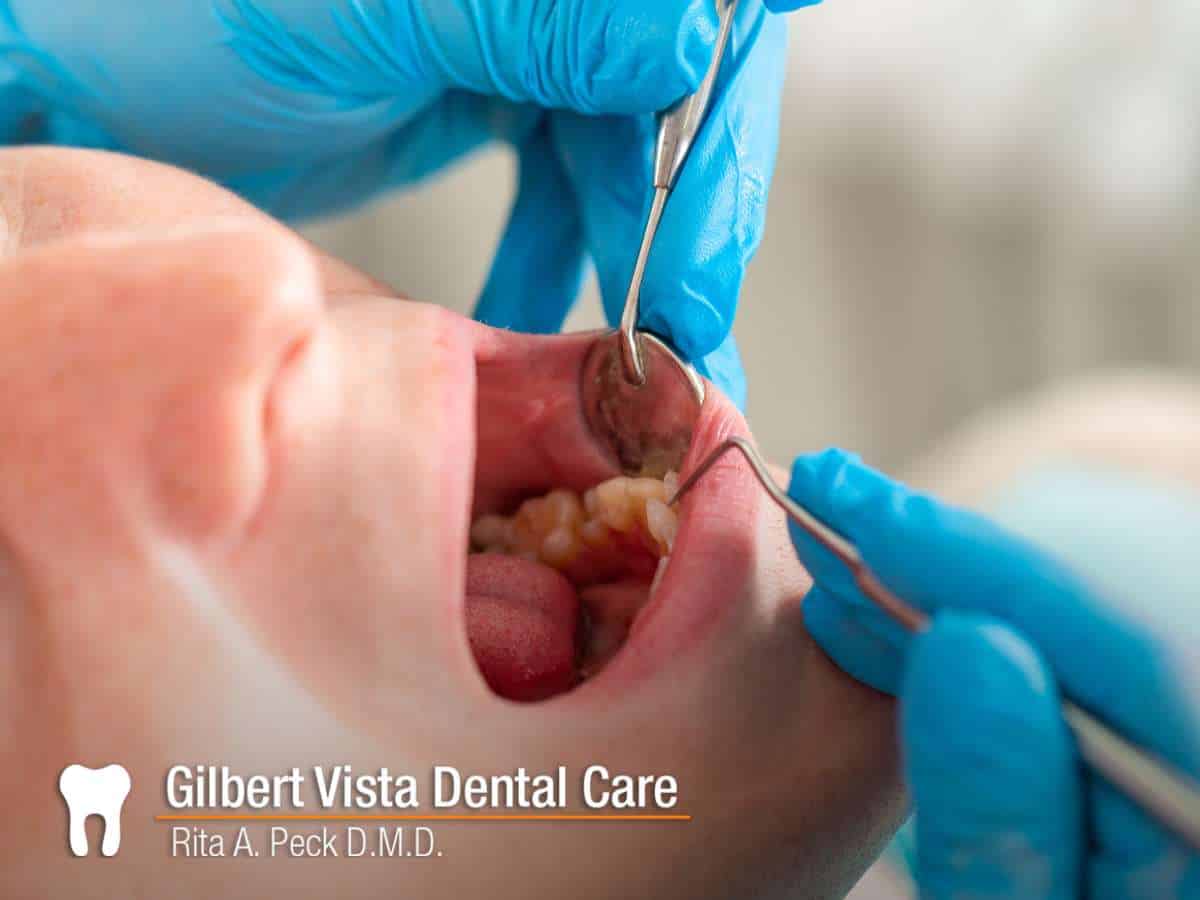
A dental abscess is an accumulation of pus in your mouth, usually caused by a bacterial infection. It forms as a result of bacteria entering the tooth or gums. The body then reacts by generating inflammation to fight the infection. This is when symptoms begin to appear.
Abscesses usually appear as a result of previously untreated problems. For example, tooth fractures, trauma, deep cavities, or even periodontal disease. As the infection progresses, pressure builds up inside the tissue. The result is intense pain, sensitivity, and swelling.
A common misconception is that this infection does not resolve on its own. While there are some home remedies to relieve the discomfort, the bacteria are still present. In fact, if you don’t go to a good dental clinic in Gilbert, it can spread to other areas. For this reason, it is essential to seek professional help and treat the problem in time.
Most abscesses start silently. The main risk factors for developing these infections are:
- Poor oral hygiene.
- Frequent sugar consumption.
- Dry mouth.
- Smoking.
- Previous poorly sealed dental treatments.
- Weakened immune system.
If you detect the first signs of danger, you can prevent the problem from getting worse.
Oral Hygiene Habits To Prevent Tooth Abscesses
Prevention is the best way to avoid dental abscesses. By maintaining a consistent dental care routine, patients can reduce their risk of infection.
1. Brush Twice Daily
Brush your teeth at least twice a day. Ideally, once after each meal. This will help remove plaque and food debris. It is important to use fluoride toothpaste and spend two minutes brushing each time, covering all surfaces.
Remember to take advantage of the benefits of fluoride, which strengthens enamel and makes it more resistant to acids produced by bacteria. It is also necessary to change your toothbrush every three months to prevent it from losing its effectiveness.
2. Floss Every Day
Dental floss will be your best friend. It will help you remove plaque and debris between your teeth and below the gum line. Right where your toothbrush can’t reach. This habit is essential for preventing interdental cavities and periodontal disease, which are two common causes of abscesses.
When you visit a dentist in Gilbert, they can teach you the best way to floss to remove all debris without affecting your gums. This is especially important if you have sensitive gums and want to avoid bleeding.
3. Rinse With Mouthwash
Using antibacterial mouthwash daily will also be very helpful. This product helps reduce bacterial load, preventing the risk of an abscess. However, it also has other benefits.
For example, it can freshen your breath, which is particularly useful if you have bad breath. It also complements daily cleaning, helping to strengthen enamel and prevent gum inflammation.
4. Avoid Excess Sugar
When you eat foods containing sugar, you are feeding the bacteria that produce acids that are harmful to enamel. The solution? Reduce your consumption of sugary drinks, sweets, and processed snacks.
If you want to eat them occasionally, that’s fine. However, try to clean your teeth after eating them whenever possible. This will reduce the risk of cavities and, consequently, infections.
5. Stay Hydrated
Did you know that hydration also affects your oral health? Saliva neutralizes acids and flushes away bacteria. When you stay well hydrated, you promote adequate saliva production, protecting your mouth from dryness, which facilitates bacterial growth.
There is no single recommended amount that applies to everyone. However, the recommendation is usually about 2 liters of water per day, approximately. The secret is to pay attention to your body. If you feel like drinking water, drink up!
Understanding The Different Types Of Tooth Abscesses & Their Causes
Two main types of dental abscesses require you to visit a dental office in Gilbert. They are as follows:
Periapical Abscess
A periapical abscess forms at the tip of the tooth root. It usually occurs as a result of deep cavities, fractures, or trauma. All of this allows bacteria to reach the pulp. It is extremely painful and can cause severe tooth sensitivity.
Periodontal Abscess
Unlike the previous type, this one appears in the gums and bone surrounding the tooth. It is related to advanced periodontal disease. When the gums separate from the tooth, pockets form where bacteria and food debris accumulate, promoting infection.
What Happens During Tooth Abscess Treatment
The treatment of an abscess aims to provide immediate relief, but also to solve the root cause of the problem. There are several options available:
Antibiotics & Pain Relief
Sometimes, your dentist will prescribe antibiotics. This will help control the infection. Painkillers are also useful, as they will reduce the pain. This is not a substitute for dental treatment, but it will stabilize the situation before direct intervention.
Root Canal Treatment
Root canal treatment is usually a permanent solution to these problems. It involves removing the infected pulp, cleaning the inside of the tooth, and sealing it to prevent further infection. This procedure restores the tooth’s natural function.
Tooth Extraction
Is the damage too extensive for the tooth to be saved? In this case, the tooth may need to be extracted rather than treated with a root canal. In some situations, the abscess must also be drained to remove the accumulation of pus. Once the tooth is extracted, implants or bridges can be used to maintain chewing function and aesthetics.
Why Untreated Tooth Abscesses Are Dangerous & Require Prompt Care
You should never ignore a tooth abscess. The infection can spread to other parts of the body, causing sepsis, a potentially life-threatening condition. While severe complications are very rare today, this does not mean you should not take precautions.
It is necessary to seek routine dental care, as it can help prevent abscesses through proper maintenance. If they do occur, patients can take comfort in knowing a trusted dentist can help resolve the issue, mitigating risks and alleviating pain.
When To Seek Immediate Dental Care For a Tooth Abscess
If you experience these symptoms, seek immediate professional attention:
- Severe and persistent pain.
- Swelling in the face, jaw, or neck.
- Fever.
- Difficulty chewing, swallowing, or breathing.
- Visible pus.
A prompt diagnosis can help alleviate the problem and reduce the need for more invasive treatment. At Gilbert Vista Dental, patients receive personalized, preventive care focused on long-term oral health.
If you notice any signs that your mouth is not well, don’t wait any longer. Start taking care of your mouth. Schedule your appointment today!

Gilbert Vista Dental Care
2451 East Baseline Road #210
Gilbert, AZ 85234
Phone: (480) 503-5467
Email: [email protected]
Website: https://drritapeck.com/